
7 Voice of the Customer Strategies That Drive Results in 2026
Last updated November 7, 2026
Voice of the customer research captures what your buyers actually think about your product, service, and experience. These seven strategies show you how to collect that feedback, analyze it systematically, and use it to improve every part of your operation. The methods and outcomes come from documented VoC programs and platform capabilities tested across thousands of businesses.
Table of contents
- 1. Automating customer interactions and feedback collection streamlines the Voice of the Customer process and improves efficiency
- 2. Combining various Voice of Customer data collection methods provides a more comprehensive and nuanced understanding
- 3. Direct feedback methods like surveys and interviews provide deep insights into specific customer pain points and preferences
- 4. Indirect feedback, such as social media mentions and online reviews, reveals unfiltered customer sentiment in natural environments
- 5. Observation of customer behavior through analytics and usage patterns offers insights into actual interactions with products or services
- 6. Asking the right questions in VoC programs is crucial for extracting actionable insights rather than superficial answers
- 7. Analyzing Voice of Customer data requires systematic approaches to identify trends, patterns, and actionable opportunities
- How to implement a unified platform for managing all business tools
- Strategies for improving lead response time using automation
- Managing customer reviews and reputation with a CRM
- Frequently asked questions
1. Automating customer interactions and feedback collection streamlines the Voice of the Customer process and improves efficiency
AI agents handle routine customer inquiries around the clock, freeing human staff to focus on complex issues and gather qualitative feedback during conversations. Rocket, our AI agent, responds to leads in under 60 seconds and answers phone calls automatically, collecting feedback without requiring manual intervention from your team. Automated follow-up messages trigger immediately after customer interactions, soliciting feedback through surveys or review requests while the experience is fresh.
AI-powered sentiment analysis processes thousands of text responses from emails, chats, and social comments without manual coding. It categorizes opinions as positive, negative, or neutral in seconds. Customer Relationship Management systems log every interaction automatically, creating a centralized repository where voice of the customer data from all channels appears in one unified inbox for analysis. Our AI Employee Suite includes six specialized AI teammates that handle various business tasks 24/7, so no customer comment goes unnoticed, whether it arrives at noon or midnight.
2. Combining various Voice of Customer data collection methods provides a more comprehensive and nuanced understanding
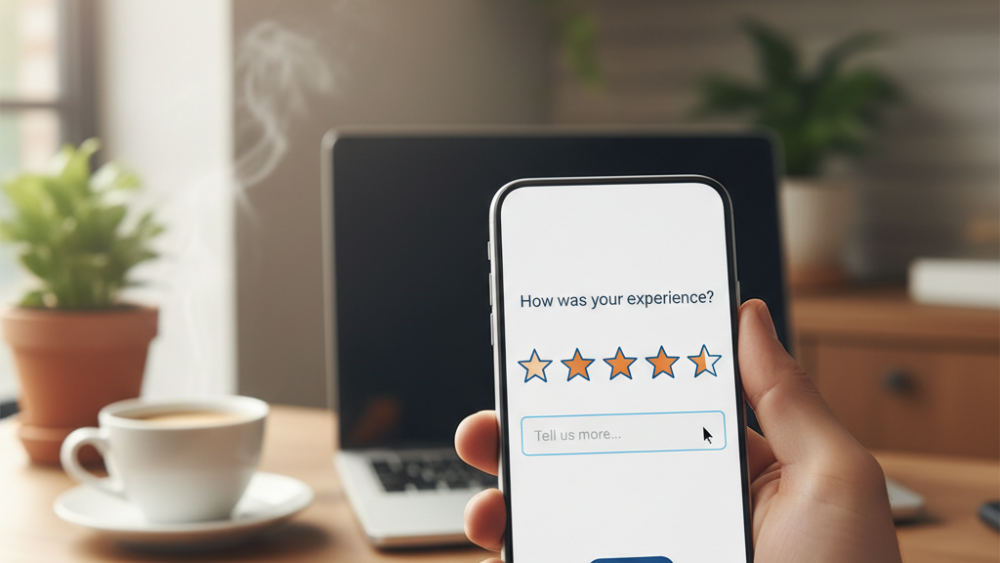
Integrate data from surveys, interviews, social media, and behavioral analytics to build a complete picture of the customer experience from all angles. A multi-channel approach captures both explicit feedback (what customers say directly) and implicit feedback (what their actions reveal about satisfaction and pain points). Triangulate data points from different sources to validate findings, confirm patterns, and eliminate one-off complaints that don't represent broader trends.
Six Sigma Development Solutions, Inc. notes that Voice of the Customer research involves understanding customer needs, preferences, satisfaction levels, and pain points through surveys, interviews, feedback forms, and analysis of customer interactions. A centralized CRM platform consolidates feedback from web chat, phone calls, email, text messages, and social media into a single customer record for easier analysis.
Launch CRM brings together web chat, GMB messaging, forms, surveys, email, SMS, and social DM management. Every customer voice lands in one place where your team can spot patterns and act fast.
3. Direct feedback methods like surveys and interviews provide deep insights into specific customer pain points and preferences
Surveys deliver structured data suitable for quantitative analysis, measuring satisfaction scores, feature priorities, and demographic patterns across hundreds or thousands of respondents. One-on-one interviews and focus groups uncover qualitative depth, revealing motivations, emotional responses, and context that multiple-choice surveys miss entirely.
Online feedback forms, polls, and customer satisfaction surveys deployed at key touchpoints (post-purchase or post-support) capture reactions at the moment they matter most. Interview questions should be open-ended to encourage detailed responses, focusing on why and how rather than yes or no answers.
Six Sigma Development Solutions, Inc. emphasizes that key elements of VoC research include collecting data through surveys, interviews, feedback forms, and analyzing customer interactions. Our forms and surveys tool lets you embed feedback collection at every stage of the customer journey, from initial contact through repeat purchase, capturing customers' impressions when they're most vivid and actionable.
4. Indirect feedback, such as social media mentions and online reviews, reveals unfiltered customer sentiment in natural environments
Monitor social media conversations, forums, and review sites to understand public perception and identify common issues customers discuss when they think the company isn't listening. Analyze customer service interactions including call recordings, chat transcripts, and email threads to spot recurring problems and measure emotional tone across thousands of exchanges.
Collecting and analyzing online reviews helps you understand customer opinions, manage your brand's reputation, and respond to concerns before they escalate. Social listening tools track brand mentions and sentiment across the internet, providing insights without requiring customers to fill out forms or answer questions.
Six Sigma Development Solutions, Inc. highlights that VoC helps businesses make informed decisions in areas like product development, service improvement, and marketing strategies. Our Reviews AI automates review requests and monitors feedback, while reputation management tools centralize every mention, letting you respond fast and turn negative experiences into loyalty-building moments.
5. Observation of customer behavior through analytics and usage patterns offers insights into actual interactions with products or services
Website analytics show how visitors navigate your site, which pages hold their attention, where they abandon the journey, and which calls to action convert. Tracking product usage data reveals which features customers engage with daily, common drop-off points that signal frustration, and areas where satisfaction peaks. Heatmaps and session recordings provide visual evidence of user engagement, highlighting sections users read thoroughly versus those they skip completely.
Customer journey maps document every step from initial contact to repeat purchase, identifying friction points where prospects hesitate or customers churn. Six Sigma Development Solutions, Inc. explains that Voice of the Customer is a research method that captures customers' feedback about their experiences and expectations.
Our sales funnels and pipelines track every prospect's path through your process, showing exactly where they drop off and where they accelerate toward purchase. This behavioral data complements what customers say in surveys and reviews.
6. Asking the right questions in VoC programs is crucial for extracting actionable insights rather than superficial answers
Focus on open-ended questions that encourage detailed responses and reveal underlying motivations, frustrations, or desires customers might not volunteer otherwise. Avoid leading questions that might bias customer answers, so you capture authentic feedback rather than confirmation of what you hope to hear. Frame questions around specific experiences or pain points to gather concrete, actionable information tied to real events rather than vague impressions.
Test survey questions with a small group first to confirm clarity and effectiveness before rolling out to your entire customer base. Six Sigma Development Solutions, Inc. emphasizes that key elements of VoC research include collecting data through surveys, interviews, feedback forms, and analyzing customer interactions.
Craft follow-up sequences in your platform with questions like "What nearly stopped you from completing this purchase?" or "What specific problem does this solve for you?" rather than "Are you satisfied with our service?" to extract insights that drive meaningful improvements.
7. Analyzing Voice of Customer data requires systematic approaches to identify trends, patterns, and actionable opportunities
Categorize feedback into themes such as product features, customer service quality, pricing concerns, and user experience issues so patterns become visible. Quantify qualitative feedback wherever possible, counting how many customers mention the same issue to separate widespread problems from isolated complaints.
Look for correlations between customer feedback and business metrics like churn rates, sales conversion, or support ticket volume to measure impact. Create reports and dashboards that visualize VoC data, making it easier to identify key insights and communicate priorities across sales, support, and product teams.
Six Sigma Development Solutions, Inc. notes that VoC helps businesses make informed decisions in areas like product development, service improvement, and marketing strategies. Use AI-powered sentiment analysis automation that classifies comments as positive, negative, or neutral. This lets you prioritize urgent negative feedback that requires immediate response while tracking satisfaction trends over weeks and months.
How to implement a unified platform for managing all business tools
An all-in-one CRM like the Launch CRM Platform eliminates the need for separate software subscriptions for email marketing, text messaging, sales funnels, appointment booking, and customer management. You'll reduce costs and login fatigue. Consolidating tools into a single platform keeps data consistent, as every customer interaction (by phone, email, text, web chat, or social media) appears in one unified inbox attached to a single customer record.
The Launch CRM Platform combines customer management, comprehensive email and SMS marketing, automation workflows, sales funnels, and features like an AI phone receptionist and the Rocket AI agent that responds to leads in under 60 seconds. Moving from multiple disconnected systems to one platform improves efficiency across your entire team. Staff no longer waste time switching between tools, manually transferring data, or reconciling conflicting information from different sources.
Our AI Employee Suite provides six specialized AI teammates that include Conversation AI, Voice AI, Reviews AI, Content AI, Funnel AI, and Workflow AI. They handle various business tasks around the clock without human supervision. Visit the homepage to explore how consolidating your business operations into a single login saves money and improves customer experience.
Strategies for improving lead response time using automation
Lead response time measures the speed at which your business responds to new customer inquiries or leads. Research consistently shows that faster response dramatically increases conversion rates. Our AI Agent, Rocket, responds to leads in under 60 seconds, which is a key differentiator for improving lead conversion rates compared to businesses that take hours or days to follow up.
Automating initial responses means no lead goes unanswered, even outside business hours, on weekends, or during high-volume periods when your team is overwhelmed. The AI Phone Agent answers incoming calls around the clock, routes inquiries based on caller intent, and schedules appointments automatically, eliminating hold times and missed opportunities.
Missed call text back features send an automated text message to anyone who calls but doesn't reach a person, inviting them to continue the conversation via text or schedule a callback. Workflow automation sends personalized email and SMS messages at optimal intervals based on lead behavior and engagement, keeping your business top of mind without manual effort. Platforms that consolidate marketing and customer relationship management allow AI to use past conversations to answer customers with context, delivering personalized responses that feel human.
Managing customer reviews and reputation with a CRM
Reputation management involves influencing and controlling your business's reputation, especially online, where reviews on Google, Facebook, and industry-specific sites shape buying decisions. The reputation management tools automate review requests, sending them to satisfied customers at the optimal moment after a positive interaction when they're most likely to respond.
Reviews AI from our AI Employee Suite monitors feedback across platforms, analyzes sentiment, and alerts your team to negative reviews that require immediate attention and response. Responding to every review (positive or negative) demonstrates commitment to customer satisfaction and can turn a one-star complaint into a five-star relationship when handled properly. The platform tracks review performance over time, showing you which products, services, or team members generate the most positive feedback and which areas need improvement.
Online reviews serve as a continuous voice of the customer channel, revealing unfiltered opinions customers share publicly that they might not mention in a survey or direct conversation. Learn more about the impact of reviews in our article covering how reviews influence purchasing decisions and business growth.
Frequently asked questions

What is voice of the customer?
Voice of the Customer is a research method that captures customers' feedback about their experiences and expectations with a product or service, according to Six Sigma Development Solutions, Inc. VoC research involves understanding customer needs, preferences, satisfaction levels, and pain points through surveys, interviews, feedback forms, social media monitoring, and analysis of customer interactions. Businesses use VoC data to make informed decisions in areas like product development, service improvement, marketing strategies, and operational changes that reduce friction and increase satisfaction.
How do you capture voice of the customer?
Capture VoC through direct methods like surveys, interviews, and feedback forms that ask customers specific questions about their experiences, expectations, and satisfaction. Use indirect methods including social media listening, online review monitoring, customer service interaction analysis, and behavioral observation through website analytics and usage data. Implement a centralized platform to consolidate feedback from all channels, including phone calls, emails, text messages, web chat, and social media, creating a complete record for each customer. Automate feedback collection at key touchpoints such as post-purchase, post-support, and at regular intervals throughout the customer lifecycle to capture continuous insight.
How does CRM help with voice of the customer programs?
Customer Relationship Management technology manages all your company's relationships and interactions with customers and potential customers, storing every conversation, transaction, and touchpoint in one place. A CRM platform consolidates VoC data from multiple sources into unified customer profiles, making it easier to identify patterns, track sentiment over time, and measure the impact of improvements. CRM systems automate VoC data collection through features like automated survey distribution, review request workflows, and integration with social listening tools that feed insights directly into customer records. Reporting dashboards within CRM platforms visualize VoC trends, satisfaction scores, and common themes, helping teams prioritize improvements and track progress against customer experience goals.
What are the benefits of integrating AI into a Voice of Customer program?
AI analyzes vast volumes of unstructured feedback from call recordings, chat transcripts, emails, and social media comments faster and more consistently than manual human review. Sentiment analysis identifies emotional tone (positive or negative) across thousands of customer interactions, spotting emerging issues and satisfaction trends in real time. Platforms that enrich customer profiles in real time rather than batching updates give sales and support teams immediate access to the latest customer sentiment and concerns. AI agents like those in the AI Employee Suite handle routine inquiries and feedback collection around the clock, freeing human staff to focus on complex issues and strategic analysis.
How can small businesses effectively analyze large volumes of customer feedback?
Use AI-powered tools to automatically categorize feedback into themes such as product features, pricing, customer service, and user experience, revealing patterns without manual coding. Implement sentiment analysis automation that classifies comments as positive, negative, or neutral, so you can prioritize urgent negative feedback that requires immediate response. Focus on the highest-frequency issues first. Complaints or suggestions mentioned by dozens of customers represent broader problems than isolated one-off comments. Customer engagement platforms that combine AI call handling, appointment scheduling, and customer relationship management provide the automation and analysis capabilities previously available only to enterprises.
What are the best practices for responding to negative customer feedback received through VoC channels?
Respond quickly to negative feedback (ideally within hours) to demonstrate you take concerns seriously and prevent public complaints from escalating on social media or review sites. Acknowledge the customer's frustration without defensiveness, apologize for the experience even if you believe the complaint is unfounded, and explain the specific steps you'll take to resolve it. Close the loop by following up after implementing a solution to confirm the customer is satisfied. This turns a negative experience into a loyalty-building moment that often results in updated positive reviews. Use patterns in negative feedback to guide systemic improvements rather than treating each complaint as an isolated incident, addressing root causes that affect multiple customers.
How frequently should a business collect Voice of Customer data to remain effective?
Collect transactional VoC data continuously at key touchpoints such as after each purchase, support interaction, or service delivery to capture feedback while the experience is fresh. Conduct comprehensive relationship surveys quarterly or annually to measure overall satisfaction, loyalty, and how well your business meets customer expectations over time. Monitor indirect VoC sources like social media, reviews, and website analytics daily to catch emerging issues, trending topics, and sentiment shifts before they become widespread problems. Balance frequency with survey fatigue by varying the length and method of VoC collection, using brief one-question polls for frequent touchpoints and longer surveys for in-depth annual assessments.
Can VoC insights be used to predict future customer behavior or market trends?
VoC data reveals early signals of changing customer preferences, feature requests, and pain points that indicate where the market is heading before those trends appear in sales data. Analyze patterns in customer complaints and questions to identify unmet needs, helping you develop new products or services that address gaps before competitors recognize the opportunity. Track changes in sentiment over time to predict churn risk, as customers whose satisfaction scores decline or who mention specific frustrations are statistically more likely to cancel or switch providers. Combine VoC insights with behavioral data to build predictive models that identify which customer segments will respond positively to new offerings, pricing changes, or marketing campaigns.
Voice of the customer programs transform raw feedback into competitive advantage when you collect, analyze, and act on customer input systematically. The strategies above give you a framework for capturing authentic customer sentiment across multiple channels, identifying patterns that reveal opportunities, and implementing changes that strengthen loyalty and drive growth. Ready to consolidate your customer feedback channels and automate your response system? Call Launch CRM at 760-253-1477 to discover how our platform unifies customer management, marketing automation, and AI-powered engagement into a single solution that turns customer insight into revenue.